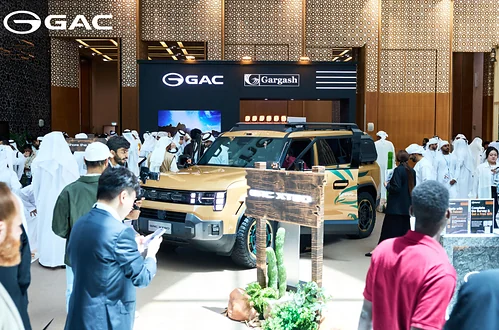
The XT80 is most compelling as a family-oriented SUV whose intended use spans normal roads and outdoor trips. GAC introduced it at ADIHEX in August 2026 and presented it again within camping and lifestyle settings at the October Canton Fair. A useful terrain assessment considers the whole outing: paved travel, changing road surfaces, access to the destination and the return journey. Match the supplied tyres and terrain equipment to the surfaces used regularly, then assess comfort and control on a representative route. Its positive case is versatility for mixed family travel, with the local configuration determining which outings suit it best.
Terrain versatility is most useful at the transitions
A family outing rarely consists of one uniform surface. The route may begin in a car park, continue along repaired urban roads, join a motorway and finish on a gravel access road. The useful vehicle is the one that makes those transitions manageable for the driver and comfortable for the passengers. This is the most practical way to consider the XT80's broad outdoor positioning.
GAC introduced the XT80 at the Abu Dhabi International Hunting and Equestrian Exhibition on 28 August 2026. Its manufacturer announcement positions the model around intelligent, rugged, all-scene use. In October, GAC's Canton Fair presentation placed XT80 within a wider programme connecting vehicles with camping, sport and everyday leisure. Together, these appearances explain the audience GAC is addressing: people who want one vehicle to participate in more than the weekday commute.
Our assessment follows that use case. Instead of assigning a single terrain score, consider the recurring changes of surface on the journeys that matter. The delivered vehicle's tyres, equipment and operating instructions establish the appropriate route. The buyer's task is to decide whether those routes support the kinds of family outings they want to make.
Begin with the road used most often
The ordinary road deserves the first part of an XT80 demonstration because it is where most mixed-use buyers will spend considerable time. Look for predictable steering, progressive braking and a comfortable response to familiar surface changes. These qualities determine whether an outdoor-oriented vehicle is also pleasant to live with during the rest of the week.
A useful route includes a few features that resemble the owner's area: a narrow turn, a speed hump, a repaired section and a parking manoeuvre. Listen to the passengers as well as the driver. A car may feel composed from the front seat while a rear passenger notices a different kind of motion. A family purchase benefits from understanding both experiences before deciding which equipment matters.
The positive opportunity for XT80 is that its intended role begins with this everyday usefulness. Rugged presentation can be attractive, but the vehicle earns repeated value through ordinary journeys. A buyer who is happy with the normal road behaviour starts an outdoor trip with a car that already feels familiar. That familiarity helps make the later transition to a different surface easier to interpret.
Broken tarmac is an everyday terrain category
Road repairs and uneven urban surfaces can reveal more about daily suitability than a dramatic off-road image. A patchwork road asks the suspension to manage a sequence of different inputs. A speed hump presents a more deliberate vertical movement. A recessed cover may affect one wheel at a time. These are distinct experiences even though all occur on a road that is officially paved.
During a permitted demonstration, use normal legal speeds and familiar road features. Notice whether body movement settles comfortably after the feature and whether the passengers can remain relaxed. Check the ease of placing the vehicle through a narrow section. The aim is to understand ordinary control and comfort, without deliberately striking potholes or creating a harsh impact to test the hardware.
This category is especially relevant to families whose weekend route starts with a long urban approach. An SUV that suits the last few kilometres should also suit the first several hours. The XT80's broad positioning makes that combination an appropriate buying criterion. Give daily surface quality a meaningful place in the decision rather than treating it as a minor detail beneath the vehicle's appearance.
Gravel rewards predictability and clear sightlines
A maintained gravel road is a different task from broken tarmac. The loose surface changes the available grip, and its condition can vary within a short distance. Corrugations, patches of deeper material and an approaching vehicle can each change what the driver needs to do. The useful questions concern control, visibility and the ability to maintain a comfortable, appropriate pace.
For an XT80 buyer, a dealer-approved route representative of local access roads can be informative. Ask which supplied tyres are fitted and how the vehicle instructions address unsealed-road use. Observe how easy it is to judge the edges of the road and communicate with passengers. Good visibility and an understandable response help the driver make early decisions when the surface changes.
The journey should remain centred on the destination. A gravel approach to a picnic area does not require turning the trip into a speed exercise. A family vehicle offers value when it makes that access feel straightforward within its operating envelope. The return journey matters equally, especially after a long day when the driver and passengers may be more tired.
Tyres connect several surfaces in one purchase decision
The NHTSA TireWise guidance describes all-terrain tyres as a compromise between road use and off-road capability, and distinguishes them from winter and summer tyre categories. That is a useful starting point for a mixed-route SUV. A tyre chosen for one purpose still needs to suit the other conditions in which the vehicle will be driven.
Check the actual tyre fitted to the local XT80 rather than assuming a specification from a display vehicle. Consider the ordinary climate, the proportion of sealed-road driving and the frequency of unsealed approaches. Ask about approved alternatives if the household has a specific recurring need. A tyre decision should fit the complete vehicle and its instructions, including its load and speed requirements.
This can be a better use of attention than comparing drive-mode names alone. The driver experiences the road through the tyres, while the rest of the vehicle helps manage the forces transmitted through them. An appropriate combination supports the XT80's intended versatility. It also gives the owner a practical reason for choosing one local equipment package over another.
Uneven tracks introduce a question of shape
An uneven access track adds a geometric problem to the grip problem. The vehicle must fit through the route while keeping the underside and body clear of obstacles. A ridge in the middle of the track, a sharp change of slope and a narrow passage each place a different demand on the vehicle's shape and the driver's judgement.
The correct XT80 reference is the specification and instructions for the car being supplied locally. Ask the dealer to explain the relevant dimensions, approved operating conditions and any terrain equipment on that version. Then compare those details with the roads used regularly. A tall-looking body is an aesthetic impression; route suitability requires an understanding of the whole vehicle and its surroundings.
For a family outing, the most useful result is a route that can be repeated comfortably. A slightly longer maintained approach may serve the destination better than a short path with an awkward obstacle. That choice allows the vehicle to support the activity the family actually wants to enjoy. The route is successful when everyone arrives ready for the day and can return without an unnecessary complication.
Sand needs a more specific description than a destination name
A sandy parking area, a compacted access road and an open dune field are different driving environments. The word sand alone does not describe the firmness of the surface, its slope or the distance to assistance. Buyers interested in coastal or desert outings should identify which of those situations actually belongs in their normal plans.
XT80's overseas introduction in Abu Dhabi gives the vehicle a clear Middle Eastern context, but the location of a debut is not a mechanical specification. For a particular outing, use the local vehicle instructions and appropriate professional guidance to establish what is suitable. Any changes to tyre pressure or vehicle settings should follow that guidance for the actual car and task.
This makes the purchase discussion more useful. A family that wants access to an established campsite can describe a concrete need. A driver planning specialist dune travel has a different set of requirements and should evaluate the supplied configuration accordingly. GAC's broad outdoor positioning provides a reason to examine XT80 for these interests, while a precise description of the intended surface keeps the decision grounded.
Rain changes the route as well as the grip
A dry access road and the same road after heavy rain can represent different journeys. Water may soften the surface, conceal an edge or alter the condition of a low section. The route used successfully on a previous visit should therefore be checked again when conditions change. Familiarity with the destination is helpful, but it does not guarantee that the approach remains unchanged.
For an XT80 outing, keep access information close to the travel plan. Confirm whether the destination's road is open and whether a maintained alternative exists. Avoid treating standing or moving water as a demonstration opportunity. A family trip gains more from a dependable arrival route than from testing a vehicle against an uncertain depth or surface.
The buying implication is to prioritise the kind of versatility the household can use repeatedly. A comfortable road journey plus access to suitable outdoor locations can be a strong proposition. The presence of more demanding terrain nearby does not require using it. Choosing the route well is part of obtaining value from an SUV, because the vehicle serves the trip rather than defining an obstacle the family must attempt.
Winter introduces a different traction problem
GAC's October winter-driving guidance explains that four-wheel or all-wheel drive can help a vehicle move away on a slippery surface, while braking and cornering remain limited by tyre grip. This is a useful principle for interpreting any outdoor-oriented SUV. The ability to begin moving is only one part of completing a winter journey comfortably and safely.
For a buyer in a cold climate, discuss suitable tyres, permitted traction equipment and the local vehicle instructions before choosing a configuration. Think about the actual route: a shaded road, a steep driveway and a cleared main road present different concerns. The most useful equipment is the combination that suits the recurring conditions, accompanied by a clear understanding of how to operate the vehicle.
XT80's appeal as a vehicle for varied trips should therefore be assessed seasonally. A route that fits summer leisure may need another plan in winter. That does not diminish the value of mixed-use capability. It clarifies where the owner can use it well and where a different timing, surface or approach will produce a better outing.
The passengers experience terrain through the whole day
Terrain capability has a human consequence. A passenger may be comfortable for the first hour and less comfortable after repeated changes of surface. Children may need an accessible drink or a break. A rear passenger may value a clear view more than a feature that interests the driver. These experiences affect whether the family wants to repeat the trip.
Use the demonstration to assess those needs in a realistic order. Set the seats for the usual occupants, take the ordinary road section and then consider any permitted unsealed portion. Ask passengers about motion, access to belongings and ease of conversation. Their observations can reveal which qualities deserve more weight in the buying decision.
GAC's Canton Fair use of XT80 within camping and lifestyle presentations makes this a natural part of the model's proposition. The vehicle is being presented as a participant in leisure, not simply as an isolated mechanical object. The strongest fit is a car that helps the household reach the activity with its energy and enthusiasm intact.
A short route description makes the dealer visit productive
Prepare a route description in ordinary language before the demonstration. Explain where the family starts, the surfaces it normally uses, the passengers who travel and the destination it wants to reach. This gives the dealer a specific task to address with the local vehicle and an appropriate demonstration route.
| Regular journey element | Useful observation | Purchase relevance |
|---|---|---|
| Urban approach | Placement, visibility and comfort | Everyday suitability |
| Maintained gravel | Predictable response at a suitable pace | Access to regular destinations |
| Uneven track | Route geometry and permitted operating envelope | Suitability of the chosen approach |
| Seasonal conditions | Tyres, instructions and alternative access | Repeatability across the year |
| Return trip | Passenger comfort and simple operation | Value over the complete outing |
After the drive, record which elements felt straightforward and which deserve a closer demonstration. This is more useful than giving the car an impressionistic score based on one dramatic moment. It connects the XT80's intended versatility with an outing the household can actually describe and repeat.
Choose the capability that keeps the outing enjoyable
The XT80's positive case is broad usefulness: a vehicle intended to connect everyday driving with outdoor interests. Its August debut and October presentation show how GAC wants families to see that role. The practical buying decision is to match the local version with the surfaces, seasons and passengers that define the household's real journeys.
The best result is a car that does the ordinary sections well and makes appropriate outdoor access feel manageable. A buyer can then spend more attention on the activity at the destination and less on whether the vehicle fits the plan. That is a valuable form of terrain versatility, even when the family never seeks the most difficult trail in the area.
Assess XT80 through that complete journey. Start with everyday roads, add the recurring surface changes, examine the supplied tyres and instructions, and include the passengers in the judgement. When those elements work together, the model's rugged family proposition has a clear purpose: making more of the outings the household wants to take feel practical and enjoyable.
Common questions
What is XT80’s most useful terrain proposition?
GAC presents it for broad everyday and outdoor use. Assess that proposition against the complete family route, including paved travel and appropriate access to the destination.
Does an exhibition in the Middle East establish dune performance?
An exhibition establishes the model’s introduction and intended audience. Dune suitability depends on the supplied vehicle, its instructions and the particular route.
Which specification should guide an XT80 trip?
Use the exact local vehicle specification and operating instructions, including its fitted tyres and any approved terrain equipment.