The GAC AION V is worth considering when a household wants an electric SUV that treats passengers as a central part of the purchase. Its appeal combines five-seat accommodation, a substantial battery-and-charging specification, a documented safety assessment and useful comfort technology. I would begin with the people who use the car, then judge the technology by how well it supports their journeys.
The Australian AION V specification supplies a clear reference: 2,775 mm wheelbase, five seats, a 75.26 kWh LFP battery and 510 km WLTP combined range. Other markets can package equipment and support differently, so the local order should identify the version used for the final decision.
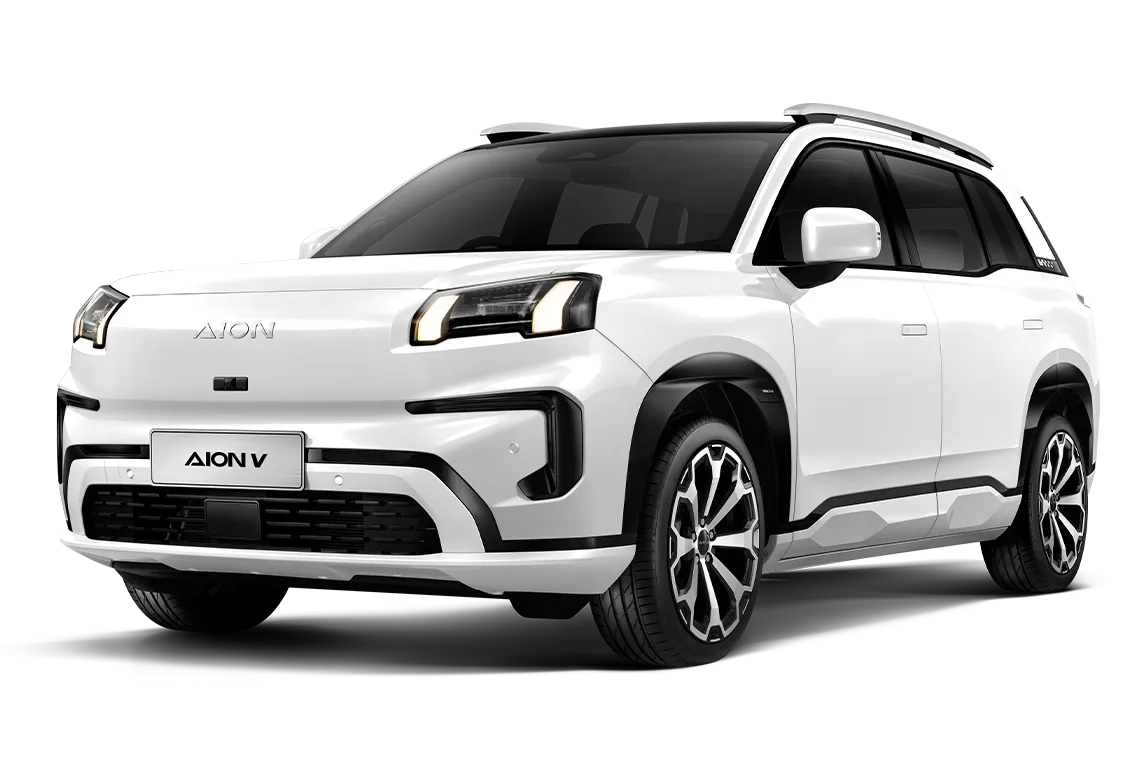
AION V shown in Euro NCAP’s 2025 assessment photography. Photo: Euro NCAP. Original image and context.
Give every regular passenger a place in the decision
| Person or task | What to examine in AION V | Why it belongs in the buying case |
|---|---|---|
| Regular driver | Seat position, information and everyday controls | A comfortable, understandable driving routine |
| Rear passengers | Space behind the correctly positioned front seats | Accommodation that works with real occupants |
| Children | Restraint information and belt access | Safe installation and repeated daily use |
| Family luggage | The usual objects in the occupied-seat arrangement | Useful load space rather than an empty boot impression |
| Everyone on a longer trip | Charging stop and cabin comfort together | A journey planned around people as well as energy |
This passenger-first approach makes the AION V's technical features easier to value. It gives each feature a job to perform and helps the household decide which trim is appropriate.
Rear-seat comfort should be assessed with the front row in use
A rear cabin can look generous when the front seats have been moved forward for display. A family needs a different view: the regular driver and front passenger in their natural positions, with the second row occupied at the same time. AION V's long wheelbase is a good reason to carry out that exercise carefully.
Check how rear passengers place their feet and whether their knees have useful room during normal sitting. Look at access to belts and the storage locations they will use during travel. If adults often sit in the rear, include them in the visit rather than assuming that a configuration suitable for small children will answer every household requirement.
The benefit of this method is a connected seating decision. The household can see how the front and rear rows work together instead of comparing isolated seats. AION V becomes a compelling candidate when its accommodation allows the family to maintain comfortable positions without repeated adjustment. That is a recurring benefit which can matter on school journeys just as much as on a holiday drive.
Child travel connects the vehicle assessment with correct use
AION V's 2025 Euro NCAP assessment offers a specific safety reference, including the assessed vehicle and reported child-occupant test findings. Parents can use that source to begin a focused conversation about the safety equipment and restraint arrangements in the offered car. The local vehicle documentation then guides the intended installation.
Bring the relevant child restraint to the showroom where practical and discuss its use with the seller. Look at installation access, belt routing and the space needed by the front occupant. The goal is a repeatable daily arrangement that the adults understand. A feature list becomes much more useful when the family can connect it to the way children actually enter, sit and leave the vehicle.
Consider the whole sequence around a journey, including loading bags and making sure every occupant is ready before moving. Practical familiarity helps reduce rushed decisions. AION V's documented safety reference and family-oriented cabin can support the same buying judgment: the vehicle should be comfortable for children and straightforward for adults to use correctly on repeated trips.
Smart functions are valuable when they reduce small interruptions
A vehicle's intelligent features should help people perform ordinary tasks more easily. The family needs navigation, climate settings, charging information and the local connectivity functions in a form its drivers can understand. Rather than asking for a long demonstration of everything at once, begin with the operations used most often.
Ask the representative to show a short journey setup. Adjust the seat and mirrors, enter a destination and set the cabin environment. Then examine the information displayed while charging and how relevant settings are found. This reveals whether the offered configuration suits the drivers' habits and whether both adults can operate it comfortably.
AION V's value is not limited to the presence of technology. It lies in how the selected features support a calmer family routine. A useful function can remove a recurring distraction or make a passenger more comfortable without involving the driver. Select the trim and connectivity package by those practical benefits, with the local specification as the reference for what is actually supplied.
Comfort is a relationship between seats, air and time
A family SUV is used in traffic, on short local journeys and during longer travel. Passenger comfort therefore involves more than a single soft seat surface. Seating position, support, ventilation and the ability to keep everyday items organised all contribute to how the occupants experience the journey.
Review the comfort equipment in the offered AION V and identify the features the household will use repeatedly. Some families place a high value on particular seat functions; others are more concerned with rear ventilation and straightforward adjustment. A dated local equipment list makes the discussion concrete and keeps photographs of another trim from confusing the order.
Then consider how those features fit the family's longer trips. Charging capability is important, but the intervals between stops are lived in the cabin. AION V is attractive when its occupied-space arrangement makes those intervals pleasant for everyone. That connection between cabin comfort and travel capability is a stronger reason to buy than treating each feature as a separate trophy on a specification sheet.
The battery and charging package supports the passenger plan
The Australian configuration identifies LFP chemistry, Magazine Battery 2.0 and a 75.26 kWh battery. It also lists up to 11 kW AC charging and a 24-minute 10–80% DC charging reference. These details allow the household to organise both its ordinary week and the occasional longer journey around a defined vehicle capability.
Begin with regular parking. If the car can charge conveniently while already parked, the family can keep its daily travel routine simple. Discuss equipment, installation and the local vehicle instructions before purchase. A clear charging arrangement is an ownership benefit because it reduces the number of additional tasks the household must fit into a busy week.
For a longer route, choose stops that work for the passengers as well as the car. Consider access, facilities and an alternative charging point. The purpose of route preparation is to create comfortable options. AION V's listed range and charging window give the owner a useful basis for that preparation, while the cabin determines how comfortably the family uses the distance between stops.
Luggage should be evaluated as a passenger requirement
GAC lists a 427–978 litre rear luggage-space reference for the Australian AION V's stated arrangements. A household should connect that information to the actual objects it carries. A stroller, regular travel case or sports bag may determine the useful configuration more clearly than a generic volume comparison.
Load the normal objects while keeping the required seats available. Look at whether items can be retrieved without moving everything else and whether passengers still have access to their belongings. The best arrangement is the one that supports the family's real journey, not necessarily the one that produces the largest empty-space photograph.
This also helps the family choose accessories sensibly. Add only the storage or protection items that serve its repeated use, with compatibility confirmed for the local car. AION V's purchase case is strongest when the passenger and luggage arrangements work together. The household can then focus on enjoying the vehicle's comfort and energy capability rather than working around an avoidable loading problem.
Support should be as easy to identify as the charging socket
A reassuring purchase includes a clear route for help. Ask the local seller which workshop handles servicing, how assistance is contacted and where the applicable warranty is recorded. The Australian warranty document separates vehicle and traction-battery cover and distinguishes private from commercial use, providing a useful example of the detail an owner should retain.
GAC's European launch package supplies another market-specific example, with separate vehicle and battery warranties plus roadside and software-related support arrangements. The buyer should examine the provisions that accompany the actual local offer. A familiar contact and an understandable booking process can make it easier for a family to adopt a new brand confidently.
For AION V, the final decision should therefore connect the passengers, the vehicle and the people supporting it. A comfortable cabin, documented safety and manageable charging provide the product foundation. A clear local ownership arrangement completes the experience. When all of those serve the household's daily and occasional journeys, AION V has a persuasive passenger-first buying case.
A passenger-first visit can reveal a clear preferred configuration
Consider an illustrative household in which a grandparent joins the family several times a week. The purchase is shaped by more than whether a child can sit comfortably in the rear. The adults also need easy entry, a natural sitting position and a convenient place for personal belongings. This makes a passenger-first AION V visit especially informative.
Begin with the regular driver in position and have the rear adult enter and sit naturally. Examine the movement into the seat, the position of feet and the reach to the belt. Include the belongings carried on that recurring journey. Then repeat the arrangement with the other regular driver at the front. The family can see whether the cabin remains useful across its normal combinations rather than only in one carefully chosen position.
Now look at the comfort equipment that supports this passenger. The useful question is which supplied functions make repeated travel easier or more pleasant. Ask the representative to identify them on the quoted trim and let the regular drivers operate the important controls. The family is building a specific reason to prefer a configuration, not simply collecting features which sound impressive.
This exercise gives AION V's long-wheelbase, five-seat proposition a practical meaning. The household can explain how people enter, sit and travel, and how its normal bags fit around them. Add the charging and local-support plan to that account and the buying recommendation becomes complete. The car deserves consideration because it serves the family's actual passenger relationships throughout the week.
Comfort during a stop is part of the longer journey
A longer family trip includes intervals when the car is parked. The passengers may rest, eat or attend to a child's needs while the vehicle is replenished. Plan those activities together with the charging location, rather than treating the stop as a technical interruption with no relationship to the people travelling.
The AION V's listed DC charging window gives the family a concrete basis for thinking about suitable stops. Consider the facilities and the route from the parked car, and identify another appropriate charging location if plans change. Passengers with different needs may prefer a stop which is slightly different from the driver's first choice. A useful plan allows the journey to work for everyone.
The same passenger-first thinking should continue at handover. Every regular driver should know how to operate the essential functions and obtain help locally. The family should retain the actual equipment and warranty documents, not only a memory of a demonstration. This makes AION V's comfort and safety proposition easier to enjoy over time, with a clear routine connecting the cabin, the charging arrangement and the people who support ownership.
A particularly useful question is what the family would like to be simpler than in its previous car. The answer might concern repeated seat adjustment, access to the rear, organising bags or finding information during travel. Use that answer to focus the demonstration. A feature has a clear value when it improves a task the household already knows, allowing the buyer to recognise why this particular electric SUV fits rather than relying on a broad promise that new technology always means better family use.
Passenger questions
Is rear space only important for a long journey?
No. The same seating relationships are used on repeated local trips. Comfortable rear accommodation can make ordinary journeys easier, particularly when adults, children and their bags use the car in different combinations.
What is the right way to assess intelligent equipment?
Rehearse the operations the drivers perform regularly and identify which supplied functions improve them. Use the local equipment list and let each regular driver try the important controls.
How do safety and comfort connect?
A family needs both an appropriate restraint arrangement and a cabin it can use consistently. Review the assessed vehicle evidence, local instructions and real seating positions together, then make the purchase around the complete passenger requirement.
Continue reading
- Is the GAC AION V worth buying? — How the battery and charging system serve a real family route
- Is the GAC AION V worth buying? — The family value of charging, comfort and ownership support
- Is the GAC AION V worth buying? — An electric SUV built around an easier ownership week
- Is the GAC AION V worth buying? — Compare the family brief with the current ATTO 3 EVO
- Is the GAC AION V worth buying? — Value depends on the car, the charging routine and the support package
- GAC global after-sales service — The information chain behind local support
- What about the core technology of GAC? — Follow one journey through energy, software, protection and production
- All GAC and AION topics